
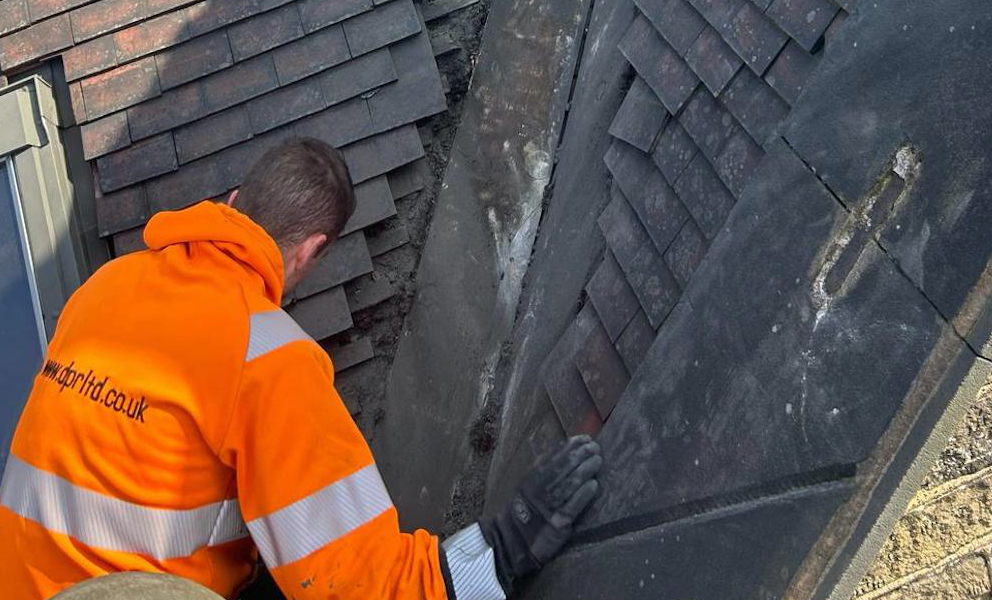
From the widespread floods of 2019 to the chaos of Storm Arwen in 2021, winter weather is often rough on roofs. By the time spring rolls in, many homeowners breathe a sigh of relief, hoping the worst is over. But does a roof stop leaking just because winter has passed? Unfortunately, no. In many cases, leaks only become obvious in spring, long after the damage has been done.
If your roof dripped, stained or let in water over winter, it won’t magically fix itself now that the days are getting longer. The good news? Spring is the best time to get to the bottom of the problem and fix it before it gets worse.
Here’s why winter leaks don’t disappear, why they sometimes get worse in spring and what you can do to stop them for good.
Leaks that started in winter don’t fix themselves
The first thing to accept is that if your roof leaked during winter, that means water found a way in. Heavy rain, high winds and freezing temperatures test every weak spot, whether it’s a loose tile, cracked flashing or a blocked gutter. You might notice less leakage in spring and summer but that doesn’t mean the problem is gone.
Why don’t winter leaks stop in spring?
- Water damage weakens materials. Once water gets into timber or insulation, it doesn’t just go away.
- Small gaps become bigger. Wind, ice and fluctuating temperatures can shrink and expand materials, making small cracks worse over time.
- Rain doesn’t stop in spring. Leeds might see less frost, but heavy rain and April showers still put your roof to the test.
- If water got in over winter, it’s still getting in now. The only way to stop it? Find the source and fix it properly.
The bottom line? Even if your leak seemed to stop in March or April, don’t assume it’s gone. Some roof issues only show up in heavy rain.
Spring weather brings new roofing challenges
Winter’s freeze-thaw cycle is tough on roofs, but spring isn’t exactly gentle. Sudden downpours, high winds and unpredictable storms expose weak spots left behind from winter damage.
Common post-winter roofing problems include:
- Loose tiles shifting further. Wind and rain move things around and can widen existing gaps.
- Moss and debris hold moisture. This means that even on dry days, trapped water can cause slow, hidden damage.
- Melted ice and spring rain put drainage systems under pressure and can cause gutters to overflow.
Don’t let your guard down. Spring storms often hit harder in May and June. Even in summer you’re not out of the woods (who doesn’t remember Storm Lilian in August 2024?)
Signs your roof is still leaking
Leaks don’t always drip dramatically from the ceiling. Some stay hidden, causing slow, unseen damage.
Watch out for:
- New water stains on ceilings or walls.
- Peeling wallpaper or bubbling paint (a telltale sign of moisture trapped behind walls).
- A musty smell in the loft. Even if you don’t see water, damp insulation means trouble.
- Soft or sagging plaster.
If you had leaks in winter but haven’t checked for lingering damage, now is the time. A problem left unchecked will only get worse.
Looking for the source? Water always follows the easiest path. This means the leak may not be directly above the damage inside. Instead, water might travel along beams and rafters before showing up.
Common causes of spring roof leaks
If your roof is still leaking now, here’s where to look:
1. Loose, cracked or missing tiles
Winter’s storms often shake tiles loose. Even if only one tile is missing, it exposes the underlayer and can let in water. Don’t risk getting up there yourself. Check for gaps or uneven patches from the ground or even better, call a professional.
2. Damaged flashing
Flashing seals roof joints but cold temperatures cause it to lift or crack. Use binoculars to inspect flashing from ground level and when you’re inside, look for water stains around chimneys or skylights.
3. Overflowing or sagging gutters
Clogged gutters hold standing water, which can seep into walls and eaves. Head outside during the next heavy rainfall and look for water spilling over the sides.
4. Leaks around roof valleys
Valleys channel water down the roof. If they’re blocked or cracked, water pools and forces its way in. Look for dark streaks, moss buildup or pooling water.
Can you wait until summer to fix it?
Short answer: No.
Waiting makes leaks worse as damp can quickly spread through insulation and timber. What was a small repair in spring becomes a big job in summer. Plus, by June and July, roofers get booked up fast. If your roof leaked in winter, it’s not going to fix itself. Spring is the best time to find and repair problems, before summer storms make them worse.
How to stop your roof leaking for good
Fixing a leak isn’t just about stopping water today. It’s about making sure it doesn’t come back next year.
What a roofing expert will do:
- Find the real source. Remember, water doesn’t always drip where the problem is. A pro will help you get to the bottom of the issue.
- Replace broken tiles and flashing properly. No quick fixes, just solid, lasting repairs.
- Clear and realign gutters. This is the best way to prevent future overflow damage.
Fix leaks for good with DPR Roofing Leeds
At DPR Roofing Leeds, we’ve helped Leeds homeowners fix leaks, repair winter damage and prepare for summer for over 35 years, serving Horsforth, Roundhay, Chapel Allerton and beyond.
Don’t wait for the next storm to test your roof. Here’s how we can help:
- Full spring roof inspections to catch leaks before they spread.
- Emergency leak repairs to address missing tiles, cracked flashing and drainage issues.
- Gutter cleaning and realignment to stop water damage at its source.
- Long-term roof maintenance to keep your roof strong, dry and secure.
Ready to book your spring roof check? Peace of mind starts with a simple call to DPR Roofing Leeds.